

Sustainable interior design in 2026 focuses on creating homes that are responsible, efficient, and built to last. Rather than following short-term trends, homeowners are choosing interiors that reduce environmental impact and support long-term use. This shift has placed eco-friendly materials and durable design solutions at the center of modern interiors.
Sustainability as a Core Design Priority
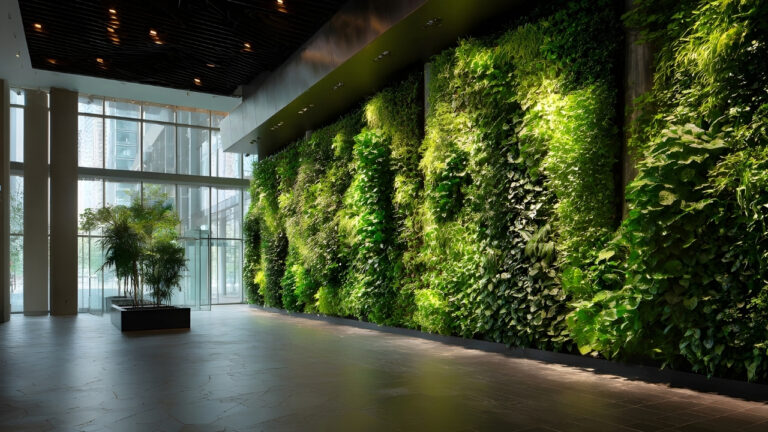
In 2026, sustainability influences every stage of interior planning. Design decisions now consider resource usage, material lifespan, and overall environmental footprint. Interiors designed with sustainability in mind help create healthier living conditions while reducing unnecessary waste. This approach supports both practical living and environmental responsibility.
Responsible Material Selection
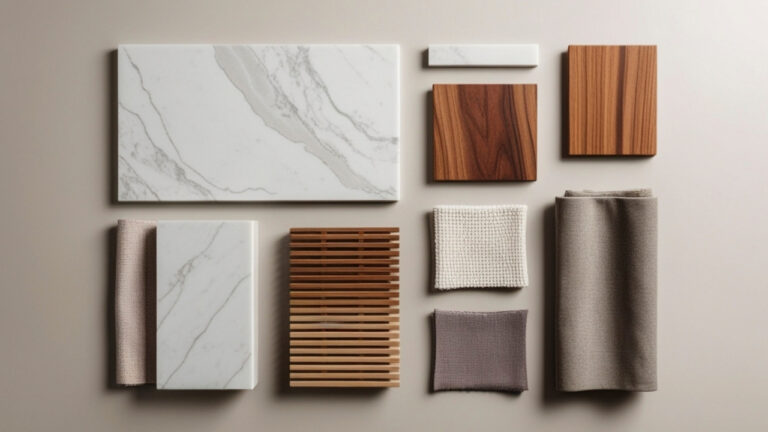
Material choice plays a major role in sustainable interior design. Designers are prioritizing materials that are renewable, recycled, or sourced through responsible practices. Options such as bamboo, reclaimed wood, natural stone, recycled metal, and low-emission paints are commonly used. These materials reduce indoor pollutants and contribute to more balanced living spaces.
Focus on Longevity and Durability
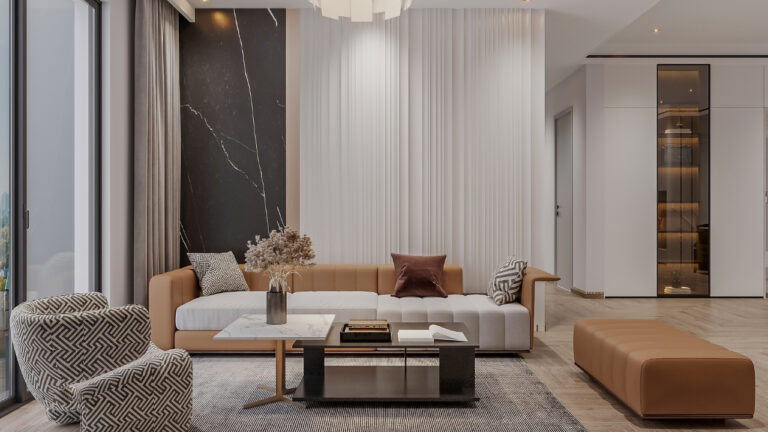
A key aspect of sustainability in 2026 is durability. Long-lasting furniture, solid construction, and timeless finishes reduce the need for frequent replacements. Neutral colours, simple forms, and high-quality craftsmanship ensure interiors remain functional and relevant over time, helping lower long-term environmental impact.
Energy-Smart Interior Planning
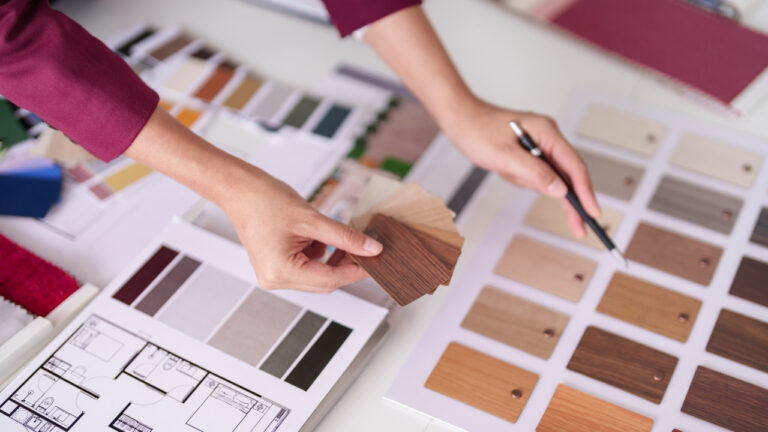
Sustainable interiors in 2026 are designed to work efficiently. Layouts are planned to maximise daylight and airflow, which helps reduce energy consumption. Energy-efficient lighting, appliances, and climate control systems are integrated to support everyday use while lowering energy demand.
Preference for Local and Ethical Production
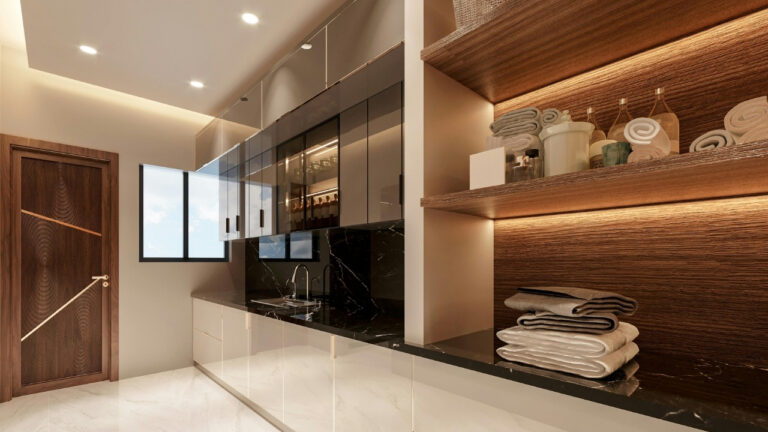
Locally sourced materials and handmade elements are gaining importance in sustainable interior design. Using local resources helps reduce transportation impact and supports regional industries. These elements also add authenticity and durability to interiors, aligning with responsible design values.
Low-Maintenance Design for Long-Term Use
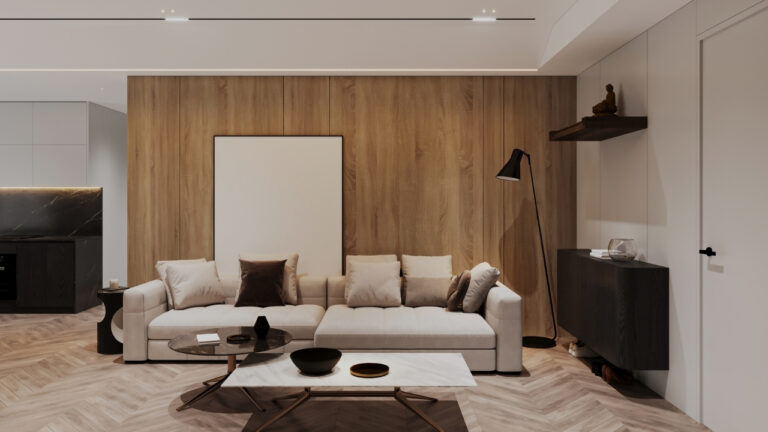
Interiors designed for sustainability also focus on ease of maintenance. Durable surfaces and finishes that age naturally require fewer chemicals and repairs. In 2026, homeowners value interiors that remain practical and attractive with minimal upkeep.
Why Sustainable Interior Design Matters in 2026
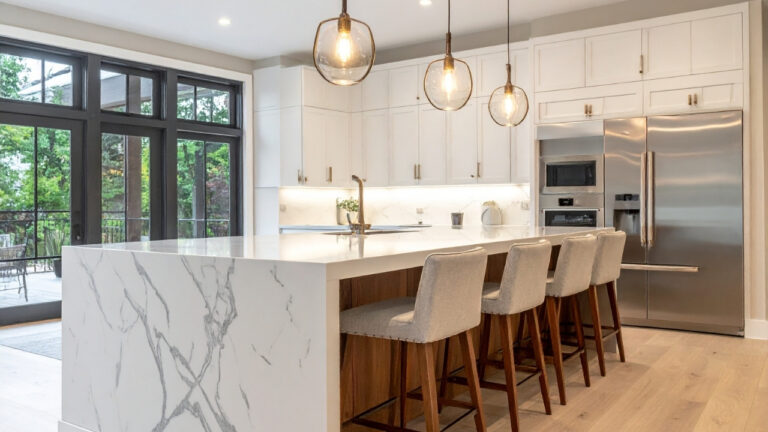
Sustainable interior design reflects changing priorities in how people live and consume. Choosing eco-conscious materials and long-lasting designs supports healthier homes and reduces environmental strain. From an SEO perspective, interest in sustainable interiors continues to grow as users search for responsible design solutions.
Conclusion
Sustainable interior design in 2026 is defined by thoughtful planning, responsible materials, and durability. By focusing on eco-friendly choices and long-term value, modern interiors can support both comfortable living and environmental care. This approach ensures interiors remain relevant, efficient, and responsible well into the future.