Sustainable Interior Design 2026: Eco-Conscious Materials and Durable Design Choices

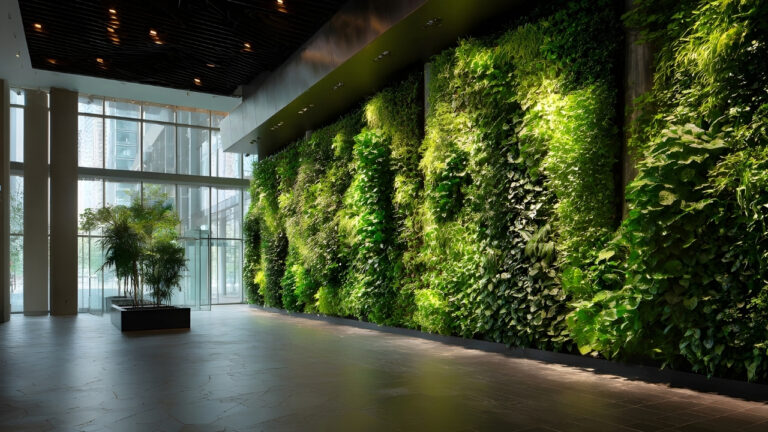
Sustainable interior design in 2026 focuses on creating homes that are responsible, efficient, and built to last. Rather than following short-term trends, homeowners are choosing interiors that reduce environmental impact and support long-term use. This shift has placed eco-friendly materials and durable design solutions at the center of modern interiors.

Sustainability as a Core Design Priority

In 2026, sustainability influences every stage of interior planning. Design decisions now consider resource usage, material lifespan, and overall environmental footprint. Interiors designed with sustainability in mind help create healthier living conditions while reducing unnecessary waste. This approach supports both practical living and environmental responsibility.

Responsible Material Selection

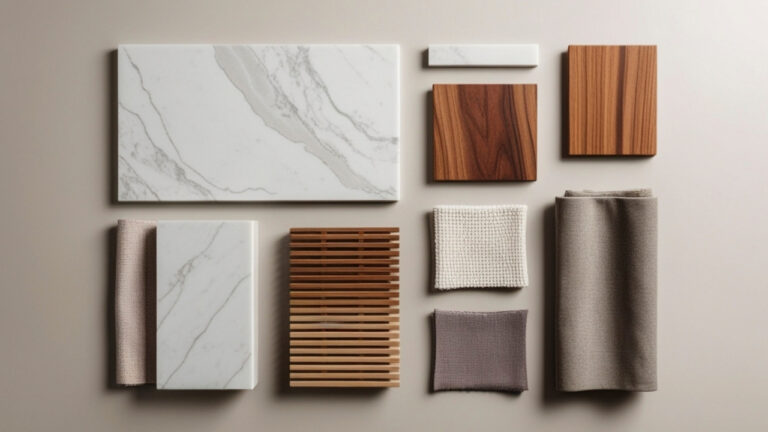
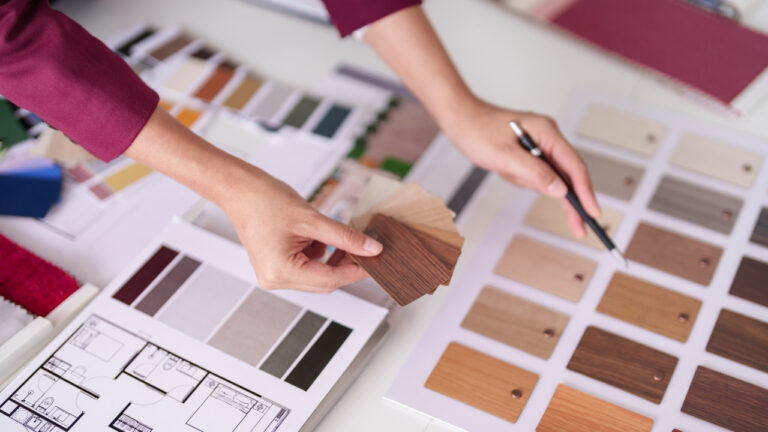
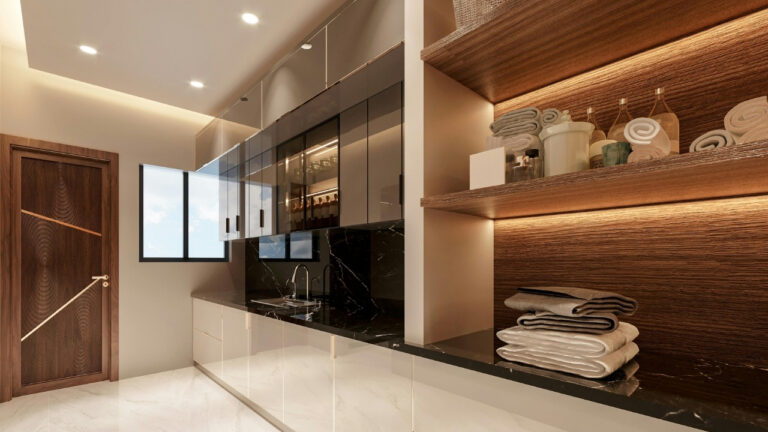
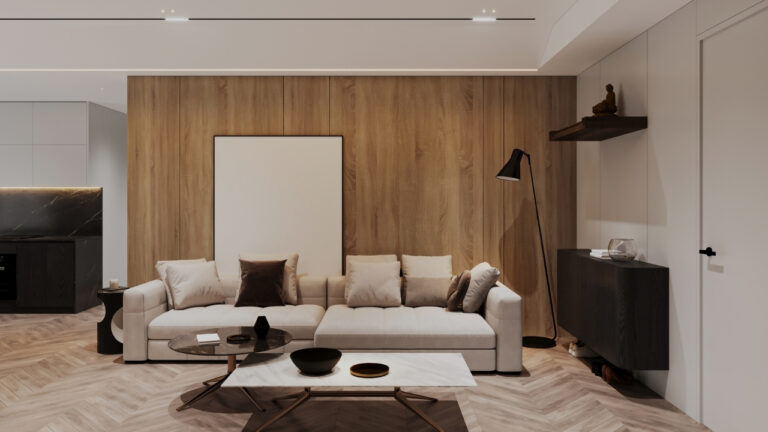
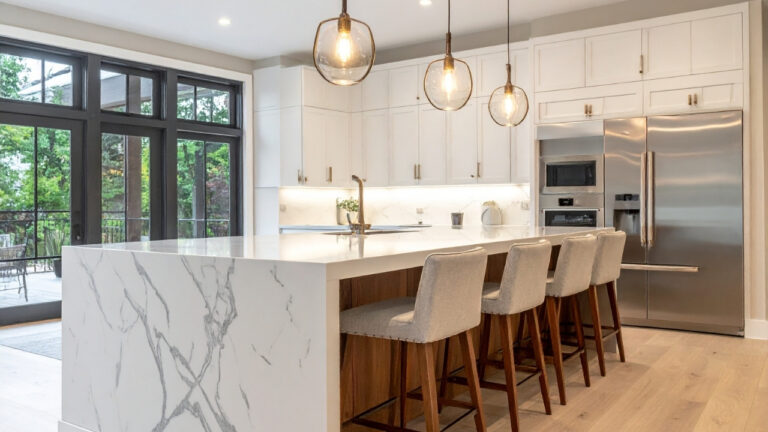
Material choice plays a major role in sustainable interior design. Designers are prioritizing materials that are renewable, recycled, or sourced through responsible practices. Options such as bamboo, reclaimed wood, natural stone, recycled metal, and low-emission paints are commonly used. These materials reduce indoor pollutants and contribute to more balanced living spaces.

Focus on Longevity and Durability

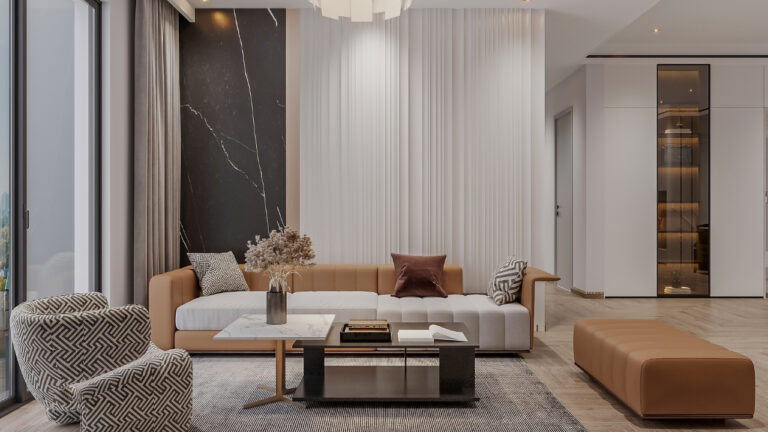
A key aspect of sustainability in 2026 is durability. Long-lasting furniture, solid construction, and timeless finishes reduce the need for frequent replacements. Neutral colours, simple forms, and high-quality craftsmanship ensure interiors remain functional and relevant over time, helping lower long-term environmental impact.

Energy-Smart Interior Planning

Sustainable interiors in 2026 are designed to work efficiently. Layouts are planned to maximise daylight and airflow, which helps reduce energy consumption. Energy-efficient lighting, appliances, and climate control systems are integrated to support everyday use while lowering energy demand.

Preference for Local and Ethical Production

Locally sourced materials and handmade elements are gaining importance in sustainable interior design. Using local resources helps reduce transportation impact and supports regional industries. These elements also add authenticity and durability to interiors, aligning with responsible design values.

Low-Maintenance Design for Long-Term Use

Interiors designed for sustainability also focus on ease of maintenance. Durable surfaces and finishes that age naturally require fewer chemicals and repairs. In 2026, homeowners value interiors that remain practical and attractive with minimal upkeep.

Why Sustainable Interior Design Matters in 2026

Sustainable interior design reflects changing priorities in how people live and consume. Choosing eco-conscious materials and long-lasting designs supports healthier homes and reduces environmental strain. From an SEO perspective, interest in sustainable interiors continues to grow as users search for responsible design solutions.

Conclusion

Sustainable interior design in 2026 is defined by thoughtful planning, responsible materials, and durability. By focusing on eco-friendly choices and long-term value, modern interiors can support both comfortable living and environmental care. This approach ensures interiors remain relevant, efficient, and responsible well into the future.

Filed under: Interior DesignTagged with: , , , , , , , , ,

False Ceiling Design Trends 2026: Layered Lighting & Modern Ceiling Concepts

False Ceiling Design Trends 2026: Layered Lighting & Modern Ceiling Concepts

False ceilings have evolved from a decorative feature into an essential design element that defines the mood, comfort, and functionality of a space. In 2026, false ceiling designs focus on clean aesthetics, layered lighting, and modern concepts that enhance both residential and commercial interiors. Below are the top false ceiling trends shaping modern homes this year.

1. Layered Lighting for Depth and Ambience

Layered lighting is the most influential false ceiling trend in 2026. Instead of relying on a single light source, designers combine ambient lighting, task lighting, and accent lighting to create depth and warmth. Cove lights, recessed LED strips, and spotlights are strategically placed to highlight architectural features while ensuring comfortable illumination throughout the space.

2. Minimalist Ceiling Designs with Clean Lines

Minimalism continues to dominate ceiling design. Simple geometric patterns, straight lines, and clutter-free layouts are preferred over heavy decorative designs. These minimalist ceilings enhance visual spaciousness and complement modern interiors, especially in living rooms and bedrooms.

3. Floating and Recessed Ceiling Concepts

Floating ceilings are gaining popularity in 2026 for their sleek and contemporary appeal. These designs create the illusion of a suspended ceiling with hidden lighting elements that produce a soft glow. Recessed ceiling concepts also help define zones in open-plan spaces without adding physical barriers.

4. Smart LED Lighting Integration

Technology plays a key role in modern false ceilings. Smart LED lighting systems allow homeowners to adjust brightness, color temperature, and mood using mobile apps or voice commands. This trend adds both convenience and energy efficiency, making ceilings more functional than ever before.

5. Wooden and Textured Ceiling Accents

To balance modern lighting with warmth, wooden panels and textured elements are increasingly used in false ceiling designs. These accents add character and contrast, making spaces feel cozy while maintaining a contemporary look. Wooden ceilings work especially well in living rooms and dining areas.

6. Zoned Ceilings for Open Layouts

Open-plan homes benefit greatly from zoned false ceiling designs. Different ceiling heights, lighting styles, or patterns are used to visually separate living, dining, and kitchen areas. This approach improves spatial organization while maintaining openness.

7. Sustainable and Energy-Efficient Materials

Sustainability is an important consideration in 2026 ceiling designs. Eco-friendly materials, energy-efficient LED lights, and long-lasting gypsum boards are preferred for their durability and reduced environmental impact.

Conclusion

False ceiling design trends in 2026 focus on layered lighting, clean modern concepts, and smart technology integration. A thoughtfully designed ceiling enhances not only the visual appeal of a space but also its comfort and usability. At Arkitech Interior, we design false ceilings that combine aesthetic elegance, efficient lighting, and long-term durability, tailored to your lifestyle and space.

Filed under: Interior DesignTagged with: , , , , , , ,