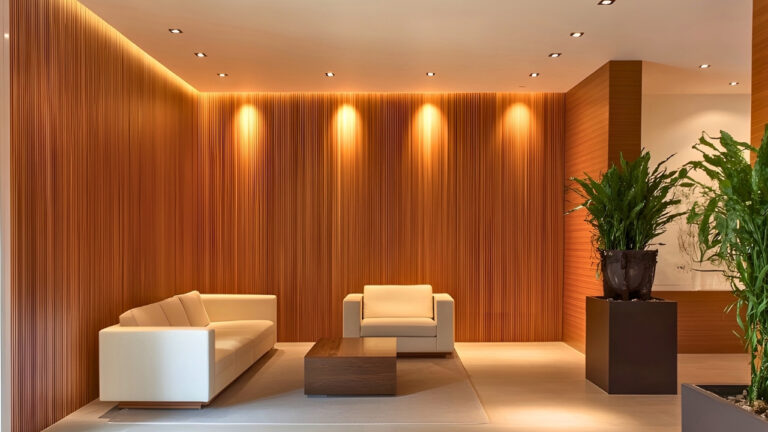
Commercial Interior Trends 2026: Brand-Led Design with Practical Function

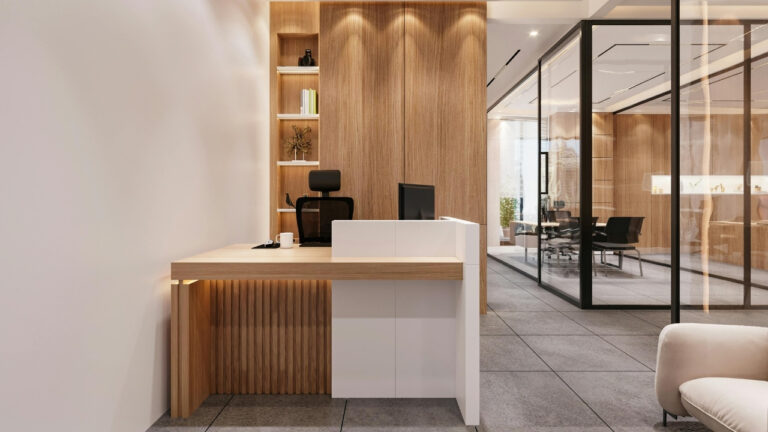
Commercial interiors in 2026 are shaped by how businesses operate and communicate. Design is no longer focused only on appearance. Spaces are planned to reflect brand identity while supporting daily use. The leading commercial interior trends highlight clarity, efficiency, and purpose across offices, retail spaces, and hospitality environments.

Brand Expression Through Interior Design

In 2026, commercial interiors play a key role in expressing brand values. Design elements such as colour, material choice, and spatial layout are selected to support a consistent brand image. Well-defined interiors help businesses create recognition and build trust through visual continuity across all areas.

Layouts Designed for Daily Function

Functional planning is central to commercial interior design in 2026. Spaces are organised to improve movement, workflow, and usability. Clear zoning, logical circulation, and practical furniture placement allow teams and visitors to interact comfortably within the space.

Adaptable Spaces for Changing Needs

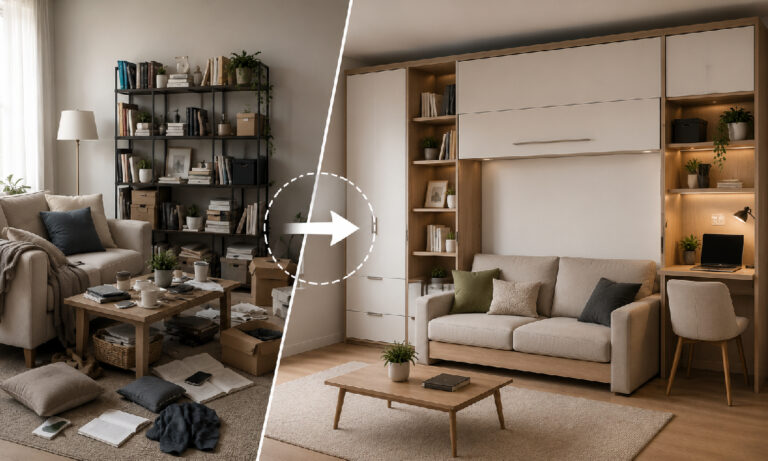
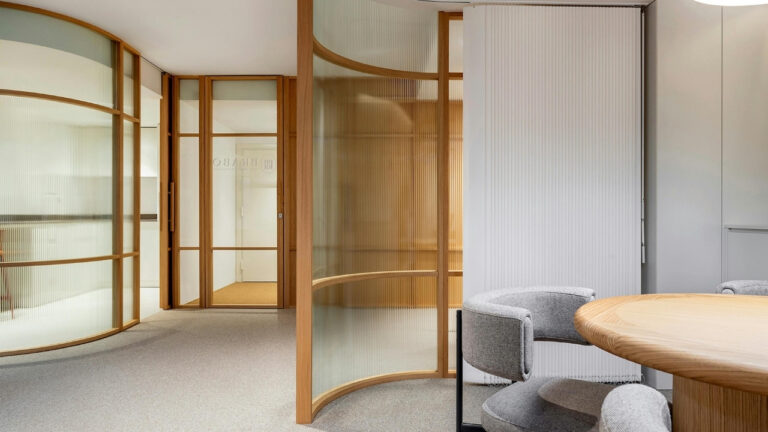
Flexibility is a major requirement for modern commercial interiors. In 2026, spaces are designed to adjust easily as business needs evolve. Modular furniture, movable dividers, and open layouts allow interiors to change function without major alterations.

Materials Selected for Performance and Longevity

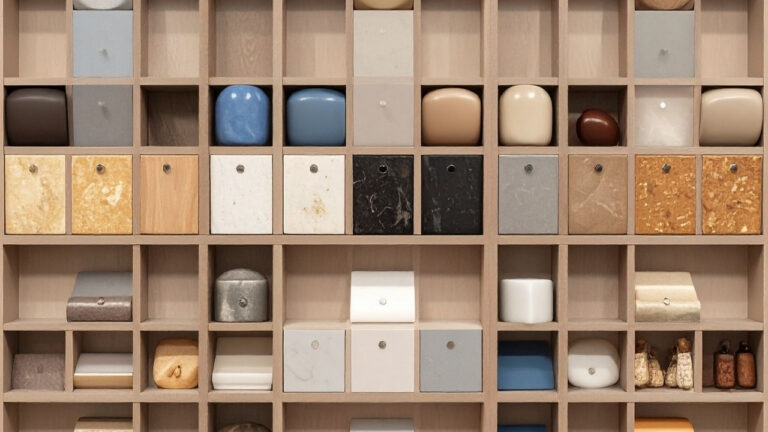
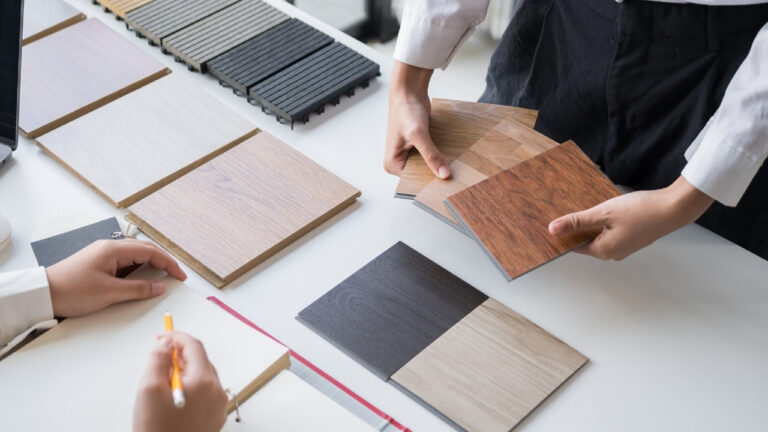
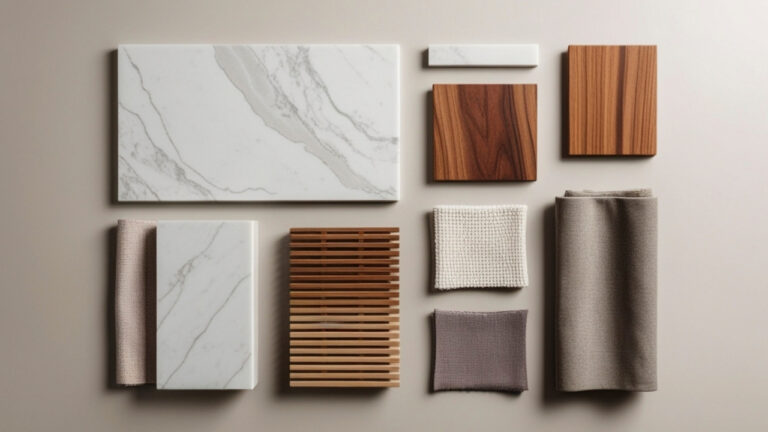
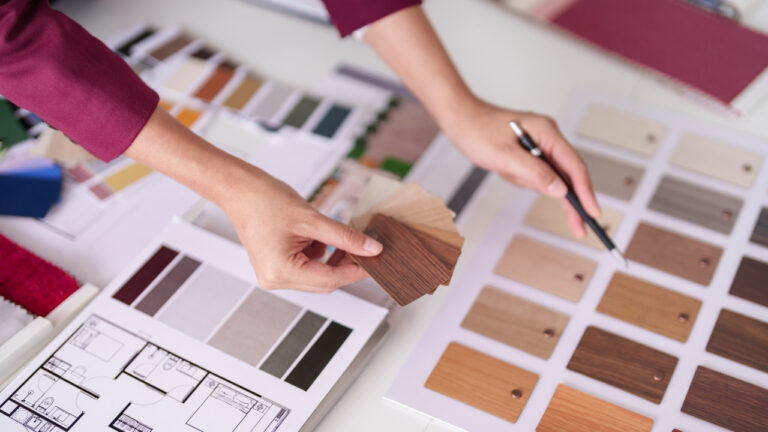
Material selection in commercial interiors prioritises durability. Designers choose finishes that withstand frequent use while maintaining a professional appearance. Textured surfaces, matte finishes, and engineered materials offer long-term performance with minimal maintenance.

Integrated Technology for Efficient Use

Technology plays a supportive role in commercial interiors in 2026. Lighting systems, digital signage, and climate controls are integrated into the design rather than added later. These features improve operational efficiency and create a more comfortable user experience.

Focus on Comfort and Usability

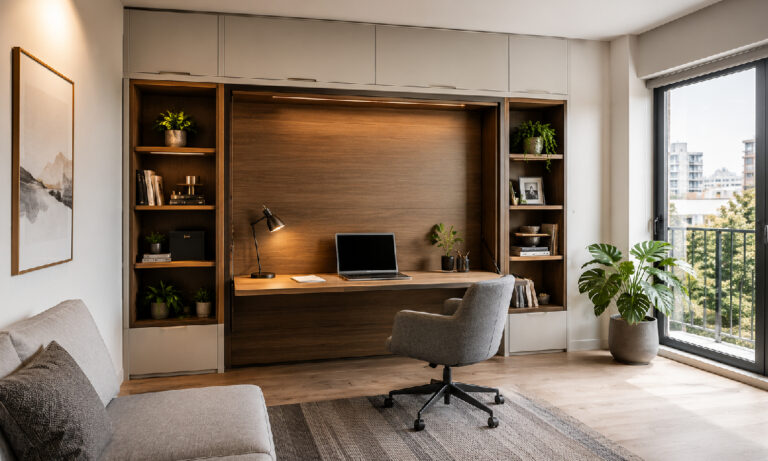
Comfort has become an important design consideration in commercial spaces. Ergonomic seating, controlled lighting, and acoustic planning help create healthier environments. In 2026, interiors are designed to support both employee focus and customer comfort.

Responsible and Sustainable Design Choices

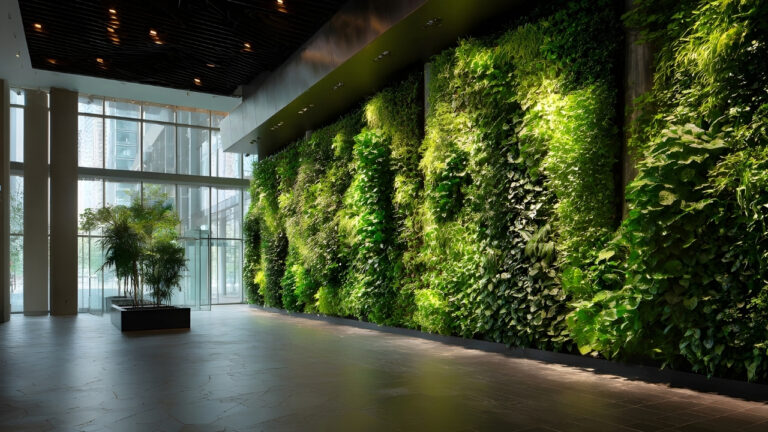
Sustainability continues to influence commercial interior design decisions. Businesses are selecting materials and systems that reduce environmental impact and support long-term use. Responsible design choices also strengthen brand credibility and corporate values.

Why These Commercial Interior Trends Matter in 2026

Commercial interiors in 2026 reflect how businesses function and engage with people. Brand-driven and functional spaces help organisations operate efficiently while presenting a clear identity. Interest in practical and brand-aligned commercial design continues to grow as businesses adapt to changing expectations.

Conclusion

Commercial interior trends in 2026 focus on purpose, flexibility, and brand alignment. By combining functional planning with clear visual identity, commercial spaces become more effective and enduring. This approach ensures interiors remain relevant, practical, and supportive of business goals.

Filed under: Interior Design TrendsTagged with: , , , , , , , , , , , , , , ,

Sustainable Interior Design 2026: Eco-Conscious Materials and Durable Design Choices

Sustainable interior design in 2026 focuses on creating homes that are responsible, efficient, and built to last. Rather than following short-term trends, homeowners are choosing interiors that reduce environmental impact and support long-term use. This shift has placed eco-friendly materials and durable design solutions at the center of modern interiors.

Sustainability as a Core Design Priority

In 2026, sustainability influences every stage of interior planning. Design decisions now consider resource usage, material lifespan, and overall environmental footprint. Interiors designed with sustainability in mind help create healthier living conditions while reducing unnecessary waste. This approach supports both practical living and environmental responsibility.

Responsible Material Selection

Material choice plays a major role in sustainable interior design. Designers are prioritizing materials that are renewable, recycled, or sourced through responsible practices. Options such as bamboo, reclaimed wood, natural stone, recycled metal, and low-emission paints are commonly used. These materials reduce indoor pollutants and contribute to more balanced living spaces.

Focus on Longevity and Durability

A key aspect of sustainability in 2026 is durability. Long-lasting furniture, solid construction, and timeless finishes reduce the need for frequent replacements. Neutral colours, simple forms, and high-quality craftsmanship ensure interiors remain functional and relevant over time, helping lower long-term environmental impact.

Energy-Smart Interior Planning

Sustainable interiors in 2026 are designed to work efficiently. Layouts are planned to maximise daylight and airflow, which helps reduce energy consumption. Energy-efficient lighting, appliances, and climate control systems are integrated to support everyday use while lowering energy demand.

Preference for Local and Ethical Production

Locally sourced materials and handmade elements are gaining importance in sustainable interior design. Using local resources helps reduce transportation impact and supports regional industries. These elements also add authenticity and durability to interiors, aligning with responsible design values.

Low-Maintenance Design for Long-Term Use

Interiors designed for sustainability also focus on ease of maintenance. Durable surfaces and finishes that age naturally require fewer chemicals and repairs. In 2026, homeowners value interiors that remain practical and attractive with minimal upkeep.

Why Sustainable Interior Design Matters in 2026

Sustainable interior design reflects changing priorities in how people live and consume. Choosing eco-conscious materials and long-lasting designs supports healthier homes and reduces environmental strain. From an SEO perspective, interest in sustainable interiors continues to grow as users search for responsible design solutions.

Conclusion

Sustainable interior design in 2026 is defined by thoughtful planning, responsible materials, and durability. By focusing on eco-friendly choices and long-term value, modern interiors can support both comfortable living and environmental care. This approach ensures interiors remain relevant, efficient, and responsible well into the future.

Filed under: Interior DesignTagged with: , , , , , , , , ,

Wall Panelling Trends 2026: Textured Panels with Refined Finishes

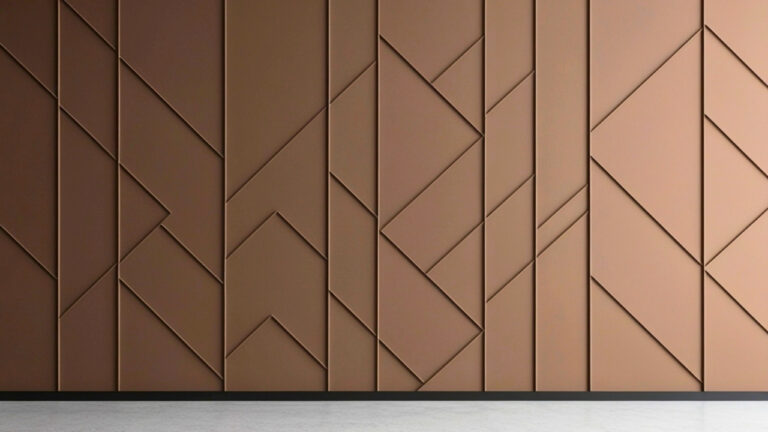
Wall panelling in 2026 is being used as a design tool rather than simple decoration. Designers are introducing textured wall panels to add depth and structure while keeping interiors visually calm. Premium finishes are preferred because they create a sense of quality and permanence, making walls feel intentional rather than ornamental.

Growing Demand for Textured Wall Surfaces

Interior spaces in 2026 are moving away from flat, featureless walls. Textured wall panelling offers a subtle way to add character without crowding the design. These panels enhance the look of a room while supporting modern design preferences for balance and simplicity. Interest in wall panelling continues to rise due to its visual impact and long-term durability.

Linear and Ribbed Panel Designs

Linear wall panels, including ribbed and grooved styles, are widely used in 2026 interiors. These designs introduce rhythm and proportion, helping walls appear taller and more defined. They are often applied to living room backdrops, television units, and bedroom feature walls where a clean, structured look is desired.

Natural-Finish Wall Panels

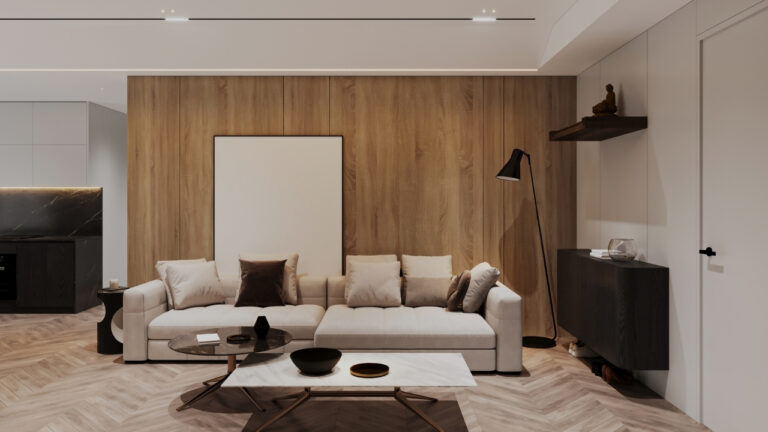
Wall panels with natural-looking finishes are becoming a preferred choice for homeowners seeking warmth. Wood-inspired textures and muted tones create an inviting atmosphere while remaining versatile. These panels suit a variety of spaces and work well with contemporary, warm, and minimalist interior styles.

Mineral and Cement-Look Panels

Mineral-based and cement-effect wall panels are increasingly popular in modern interiors. They provide a refined, urban look without the maintenance challenges of raw materials. In 2026, these panels are often used for accent walls, entry areas, and professional spaces that require a strong yet understated design presence.

Soft-Surface Wall Panels

Soft-surface wall panelling is gaining attention for its functional benefits. Fabric and padded panels improve acoustics and add comfort, especially in private spaces. In 2026 interiors, these panels are frequently used in bedrooms and entertainment rooms to create quieter, more relaxing environments.

FINISHES THAT DEFINE PREMIUM WALL PANELLING 

The focus in 2026 is on finishes that feel subtle and well-crafted. Matte textures, satin surfaces, and finely detailed veneers are replacing glossy treatments. These finishes support the growing preference for refined interiors where material quality speaks louder than decoration.

STRATEGIC USE OF WALL PANELLING 

Rather than covering entire rooms, wall panelling in 2026 is applied selectively. Feature walls, headboard areas, and focal zones are common placements. This approach maintains visual balance while allowing textured panels to stand out naturally within the space.

Conclusion

Wall panelling trends in 2026 highlight thoughtful design, texture, and premium finishing. Textured wall panels are being chosen for their ability to enhance interiors in a subtle and lasting way. By focusing on quality materials and restrained design, this trend continues to shape modern spaces with elegance and clarity.

Filed under: Interior Design TrendsTagged with: , , , , , ,

False Ceiling Design Trends 2026: Layered Lighting & Modern Ceiling Concepts

False Ceiling Design Trends 2026: Layered Lighting & Modern Ceiling Concepts

False ceilings have evolved from a decorative feature into an essential design element that defines the mood, comfort, and functionality of a space. In 2026, false ceiling designs focus on clean aesthetics, layered lighting, and modern concepts that enhance both residential and commercial interiors. Below are the top false ceiling trends shaping modern homes this year.

1. Layered Lighting for Depth and Ambience

Layered lighting is the most influential false ceiling trend in 2026. Instead of relying on a single light source, designers combine ambient lighting, task lighting, and accent lighting to create depth and warmth. Cove lights, recessed LED strips, and spotlights are strategically placed to highlight architectural features while ensuring comfortable illumination throughout the space.

2. Minimalist Ceiling Designs with Clean Lines

Minimalism continues to dominate ceiling design. Simple geometric patterns, straight lines, and clutter-free layouts are preferred over heavy decorative designs. These minimalist ceilings enhance visual spaciousness and complement modern interiors, especially in living rooms and bedrooms.

3. Floating and Recessed Ceiling Concepts

Floating ceilings are gaining popularity in 2026 for their sleek and contemporary appeal. These designs create the illusion of a suspended ceiling with hidden lighting elements that produce a soft glow. Recessed ceiling concepts also help define zones in open-plan spaces without adding physical barriers.

4. Smart LED Lighting Integration

Technology plays a key role in modern false ceilings. Smart LED lighting systems allow homeowners to adjust brightness, color temperature, and mood using mobile apps or voice commands. This trend adds both convenience and energy efficiency, making ceilings more functional than ever before.

5. Wooden and Textured Ceiling Accents

To balance modern lighting with warmth, wooden panels and textured elements are increasingly used in false ceiling designs. These accents add character and contrast, making spaces feel cozy while maintaining a contemporary look. Wooden ceilings work especially well in living rooms and dining areas.

6. Zoned Ceilings for Open Layouts

Open-plan homes benefit greatly from zoned false ceiling designs. Different ceiling heights, lighting styles, or patterns are used to visually separate living, dining, and kitchen areas. This approach improves spatial organization while maintaining openness.

7. Sustainable and Energy-Efficient Materials

Sustainability is an important consideration in 2026 ceiling designs. Eco-friendly materials, energy-efficient LED lights, and long-lasting gypsum boards are preferred for their durability and reduced environmental impact.

Conclusion

False ceiling design trends in 2026 focus on layered lighting, clean modern concepts, and smart technology integration. A thoughtfully designed ceiling enhances not only the visual appeal of a space but also its comfort and usability. At Arkitech Interior, we design false ceilings that combine aesthetic elegance, efficient lighting, and long-term durability, tailored to your lifestyle and space.

Filed under: Interior DesignTagged with: , , , , , , ,

Modular Kitchen Trends 2026: Smart Storage, Modern Finishes & Efficient Layouts

Modular Kitchen Trends 2026: Smart Storage, Modern Finishes & Efficient Layouts

The modular kitchen in 2026 is no longer just a cooking space—it’s a smart, organized, and design-driven hub of the home. Homeowners are focusing on kitchens that offer maximum functionality, clutter-free storage, and contemporary aesthetics while maintaining long-term durability. Below are the key modular kitchen trends shaping modern homes in 2026.

1. Smart Storage Solutions for Clutter-Free Kitchens

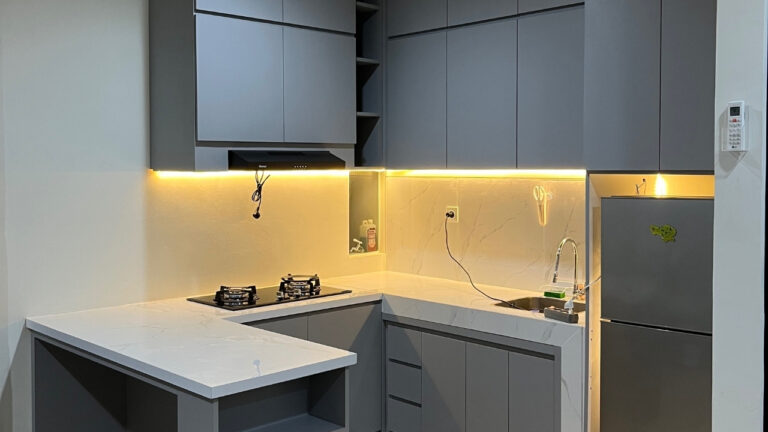
Smart storage is the biggest modular kitchen trend in 2026. Homeowners want every inch of space to be usable and easily accessible. Pull-out pantries, corner carousel units, tall storage cabinets, and deep drawers with organizers are becoming standard features. These solutions reduce clutter, improve workflow, and make daily cooking more efficient, especially in compact urban homes.

2. Handle-Less and Seamless Cabinet Designs

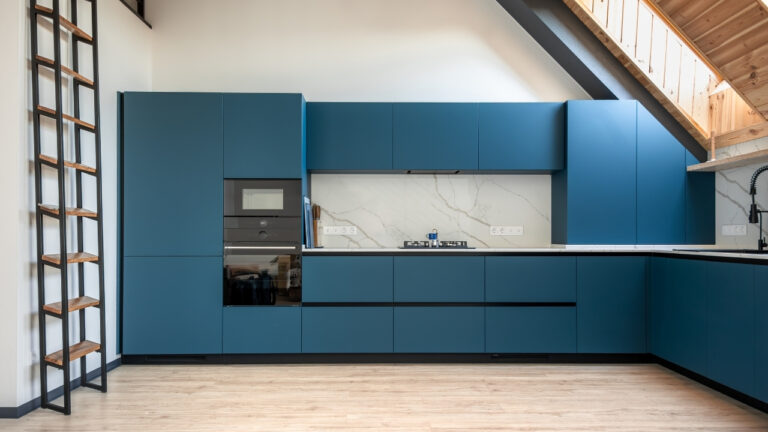
Clean lines dominate kitchen design in 2026. Handle-less cabinets with G-profile or push-to-open mechanisms create a sleek, modern look while making cleaning easier. This seamless design approach enhances visual continuity and works especially well in open kitchens that connect with living or dining areas.

3. Modern Finishes with a Premium Feel

Finishes are moving toward matte textures, soft gloss laminates, acrylic finishes, and woodgrain panels. Neutral shades such as warm whites, greige, muted browns, and earthy tones are trending, offering a timeless appearance. These finishes are not only visually appealing but also resistant to fingerprints and daily wear, making them practical for long-term use.

4. Efficient Kitchen Layouts for Better Workflow

Efficiency is at the heart of 2026 kitchen design. Popular layouts like L-shaped, U-shaped, parallel, and island kitchens are designed around the work triangle—sink, stove, and refrigerator. Proper zoning ensures smoother movement, reduces cooking time, and improves overall kitchen functionality.

5. Integrated Appliances for a Clean Look

Built-in appliances are becoming a must-have in modular kitchens. Integrated ovens, microwaves, dishwashers, and refrigerators blend seamlessly with cabinetry, creating a clean and organized appearance. This approach enhances aesthetics while maximizing usable space.

6. Smart Lighting for Function and Ambience

Lighting plays a major role in modern modular kitchens. Under-cabinet LED lighting, sensor-based lights, and warm ambient ceiling lights improve visibility while adding elegance. In 2026, lighting is designed to balance functionality with mood, making kitchens more inviting.

7. Durable Materials for Everyday Use

Durability is a key consideration in modular kitchens. Homeowners prefer materials like marine plywood, high-quality hardware, soft-close hinges, and water-resistant finishes. These materials ensure long-lasting performance, especially in Indian kitchen conditions.

Conclusion

Modular kitchen trends in 2026 focus on smart storage, modern finishes, and efficient layouts that enhance both style and usability. A well-designed modular kitchen not only improves daily convenience but also adds long-term value to your home. At Arkitech Interior, we design modular kitchens that balance functionality, aesthetics, and durability, tailored to your lifestyle.


Filed under: Smart Modular Kitchens 2026

Warm Minimalism in Indian Homes: Why It Is the Most Preferred Trend in 2026

interior designer

Warm Minimalism in Indian Homes: Why It Is the Most Preferred Trend in 2026

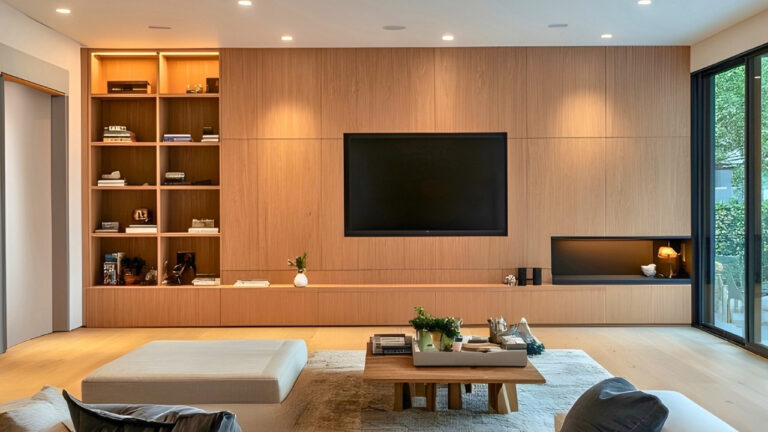
Warm minimalism has emerged as the most preferred interior design trend in Indian homes in 2026 because it perfectly suits modern lifestyles. As homes become more compact and routines more demanding, homeowners are choosing interiors that feel calm, open, and easy to maintain. Warm minimalism focuses on clean layouts while adding comfort through soft colours, natural materials, and balanced lighting, making living spaces feel relaxed rather than empty.

One of the key reasons this trend works so well in Indian homes is its natural connection to earthy elements. Shades like warm white, beige, and soft brown pair effortlessly with wooden furniture, cotton or linen fabrics, and subtle handcrafted accents. This allows homes to feel modern and elegant without losing warmth or cultural familiarity, which is important in Indian living environments.

Warm minimalism is also preferred in 2026 because it supports comfort and functionality. Furniture is practical and uncluttered, spaces are designed for easy movement, and décor is kept minimal but meaningful. This approach helps reduce visual noise and creates peaceful interiors that support daily activities, work-from-home routines, and family life.
Another important factor driving this trend is sustainability. Indian homeowners are increasingly choosing long-lasting materials and timeless designs over fast-changing styles. Warm minimalism encourages conscious consumption by focusing on quality rather than quantity, making it both cost-effective and environmentally responsible.

Overall, warm minimalism has become popular in Indian homes because it offers a simple, balanced, and comforting way of living. By combining functionality, warmth, and modern design, this trend continues to define interior spaces in 2026 that feel welcoming, practical, and timeless.

Filed under: Warm Minimalism in Indian Homes

Interior Design Trends 2026: Warm Spaces, Natural Forms, and Everyday Comfort

best interior designer near me

Interior design in 2026 focuses on creating spaces that feel comfortable, balanced, and easy to live in. Rather than following rigid design rules, homeowners are choosing interiors that support relaxation and daily life. The most influential interior design trends this year highlight warm minimalism, nature-inspired shapes, and comfort-led luxury.
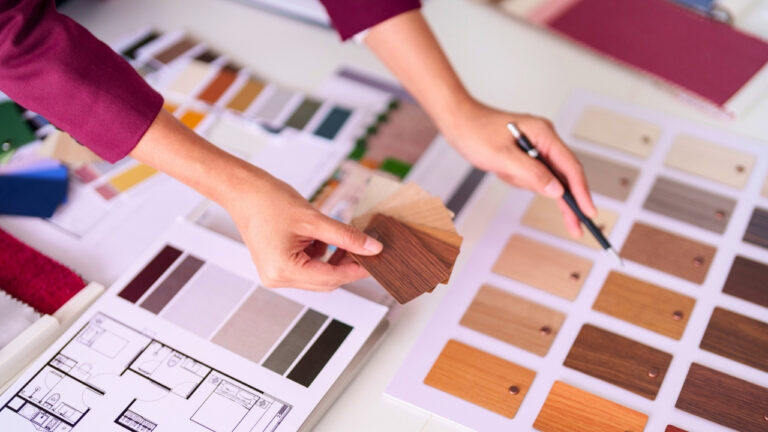
These ideas are shaping modern homes by combining simplicity with softness and style with function.

Warm Minimalism for Inviting Interiors

Minimalist interiors are evolving in 2026. Clean spaces remain important, but the look is now warmer and more personal. Instead of stark colors and sharp edges, warm minimalism introduces gentle tones and tactile materials.

Common features include:

  • Soft neutral shades inspired by natural elements
  • Materials such as wood, linen, and wool
  • Limited décor chosen for both use and meaning
  • Lighting that creates a relaxed atmosphere

This approach appeals to readers searching for cozy modern homes and warm minimalist interior ideas.

Organic Shapes Add Softness and Flow

Design in 2026 moves away from straight lines and rigid layouts. Curved and organic forms are being used to create smoother transitions and more natural movement within spaces.

These shapes appear in:

  • Rounded seating and tables
  • Curved kitchen and bathroom surfaces
  • Arched openings and wall details
  • Decorative lighting and accessories

Organic design elements help interiors feel calm, balanced, and visually comfortable.

Comfort-Focused Luxury Redefines High-End Design

Luxury interiors in 2026 emphasize comfort and quality over excess. Spaces are designed to feel welcoming rather than showy, with attention given to materials and usability.

Key characteristics include:

  • Comfortable seating with supportive design
  • Custom or well-crafted furniture
  • Neutral color palettes associated with quiet luxury
  • A focus on durability and craftsmanship

This trend aligns with growing interest in wellness-focused home design and understated luxury interiors.

Natural Materials Remain a Strong Influence

Nature continues to play a central role in interior design trends for 2026. Designers are selecting materials that feel authentic and age well over time.

Popular options include:

  • Stone surfaces with natural texture
  • Solid wood finishes
  • Plaster, clay, and matte surfaces
  • Handmade décor and accessories

These materials add warmth while supporting sustainable design choices.

Neutral Color Schemes with Added Texture

Bold colors take a back seat in 2026. Instead, interiors rely on neutral palettes enhanced through texture and layering.

Trending tones include:

  • Warm whites and soft creams
  • Light gray and beige blends
  • Muted green accents
  • Subtle earthy browns

Texture becomes the primary design feature, adding depth without overwhelming the space.

Why These Interior Design Trends Matter in 2026

The interior design trends of 2026 reflect changing lifestyles and priorities. Homes are becoming places of comfort and restoration. From an SEO perspective, content focused on interior design trends 2026, warm minimalist interiors, and organic modern homes aligns well with user search behavior and long-term relevance.

Conclusion

Interior design in 2026 centers on comfort, simplicity, and natural influence. Warm minimalism, organic shapes, and comfort-focused luxury work together to create interiors that feel calm, practical, and timeless.

Filed under: Warm Living & Natural Interiors