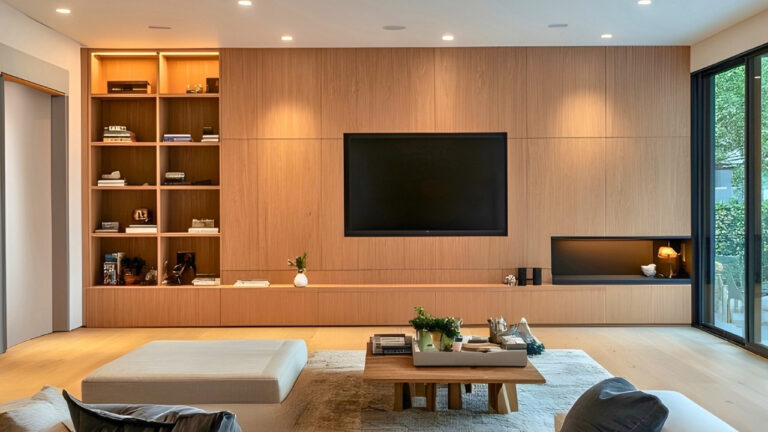
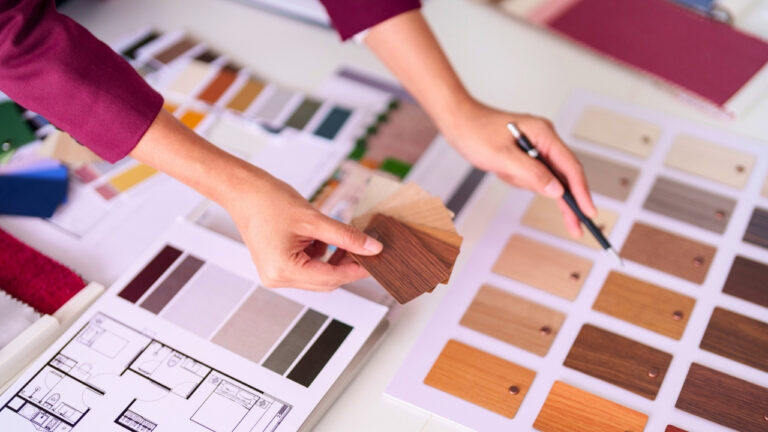
Commercial Interior Trends 2026: Brand-Led Design with Practical Function

Commercial interiors in 2026 are shaped by how businesses operate and communicate. Design is no longer focused only on appearance. Spaces are planned to reflect brand identity while supporting daily use. The leading commercial interior trends highlight clarity, efficiency, and purpose across offices, retail spaces, and hospitality environments.

Brand Expression Through Interior Design
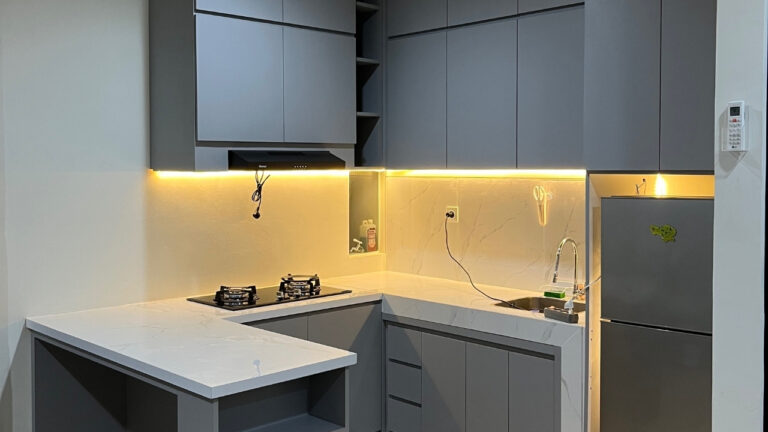
In 2026, commercial interiors play a key role in expressing brand values. Design elements such as colour, material choice, and spatial layout are selected to support a consistent brand image. Well-defined interiors help businesses create recognition and build trust through visual continuity across all areas.

Layouts Designed for Daily Function
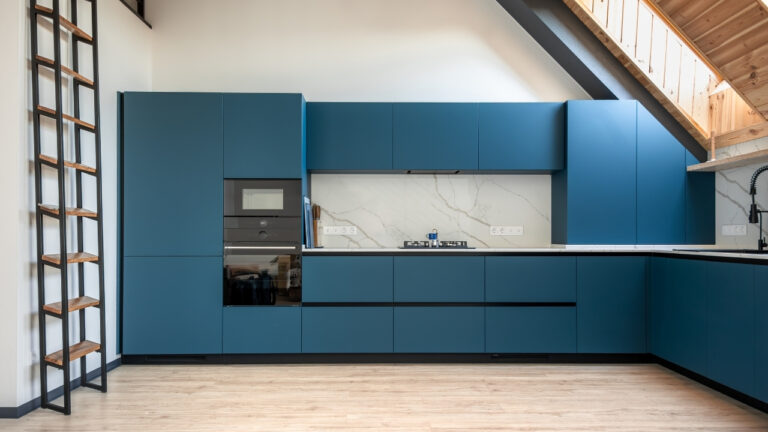
Functional planning is central to commercial interior design in 2026. Spaces are organised to improve movement, workflow, and usability. Clear zoning, logical circulation, and practical furniture placement allow teams and visitors to interact comfortably within the space.

Adaptable Spaces for Changing Needs

Flexibility is a major requirement for modern commercial interiors. In 2026, spaces are designed to adjust easily as business needs evolve. Modular furniture, movable dividers, and open layouts allow interiors to change function without major alterations.

Materials Selected for Performance and Longevity
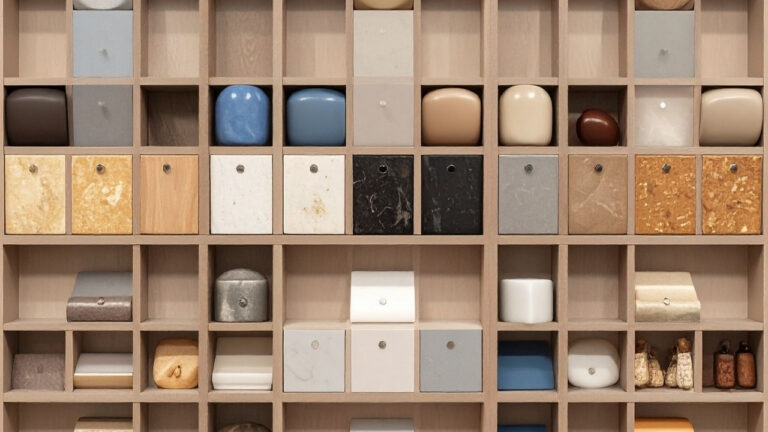
Material selection in commercial interiors prioritises durability. Designers choose finishes that withstand frequent use while maintaining a professional appearance. Textured surfaces, matte finishes, and engineered materials offer long-term performance with minimal maintenance.

Integrated Technology for Efficient Use
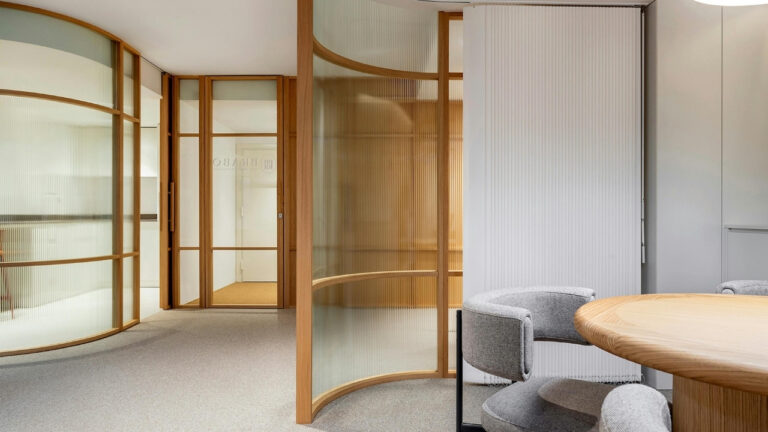
Technology plays a supportive role in commercial interiors in 2026. Lighting systems, digital signage, and climate controls are integrated into the design rather than added later. These features improve operational efficiency and create a more comfortable user experience.

Focus on Comfort and Usability
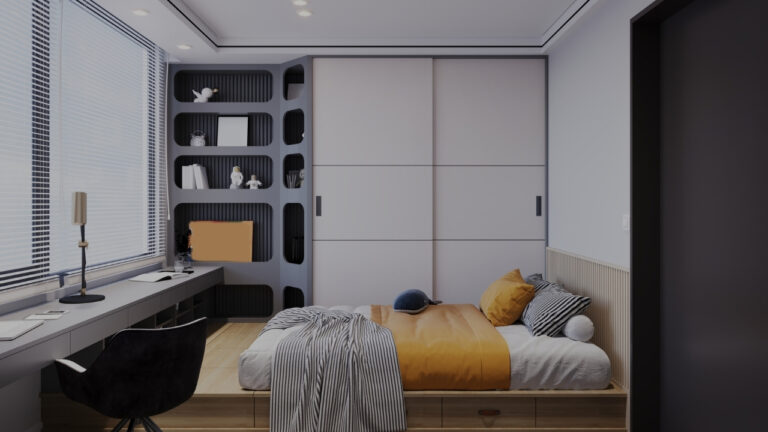
Comfort has become an important design consideration in commercial spaces. Ergonomic seating, controlled lighting, and acoustic planning help create healthier environments. In 2026, interiors are designed to support both employee focus and customer comfort.

Responsible and Sustainable Design Choices
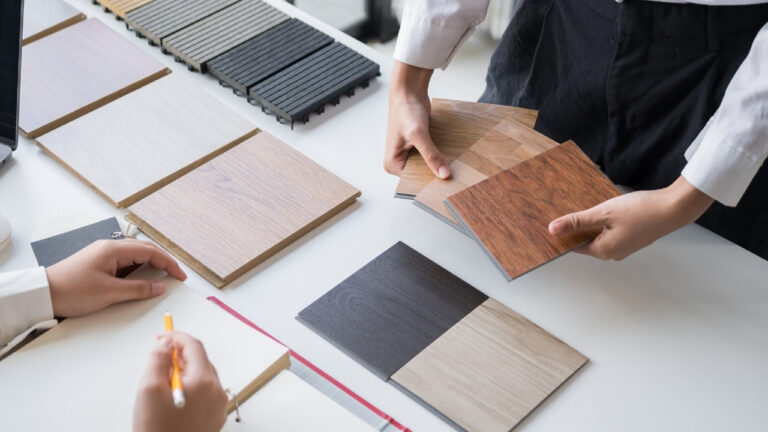
Sustainability continues to influence commercial interior design decisions. Businesses are selecting materials and systems that reduce environmental impact and support long-term use. Responsible design choices also strengthen brand credibility and corporate values.

Why These Commercial Interior Trends Matter in 2026
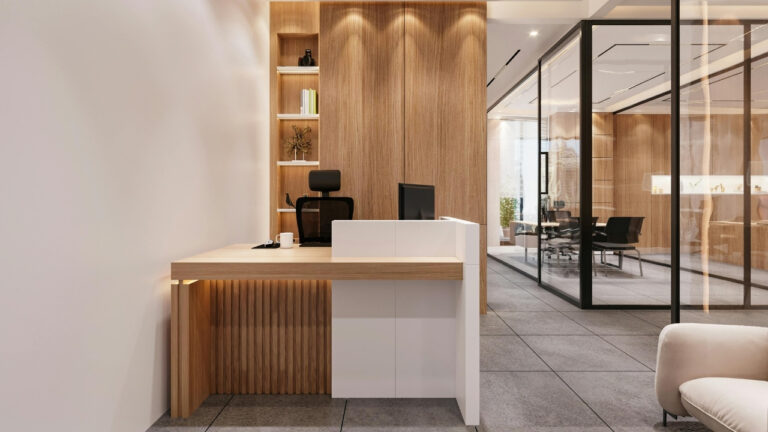
Commercial interiors in 2026 reflect how businesses function and engage with people. Brand-driven and functional spaces help organisations operate efficiently while presenting a clear identity. Interest in practical and brand-aligned commercial design continues to grow as businesses adapt to changing expectations.

Conclusion

Commercial interior trends in 2026 focus on purpose, flexibility, and brand alignment. By combining functional planning with clear visual identity, commercial spaces become more effective and enduring. This approach ensures interiors remain relevant, practical, and supportive of business goals.

Filed under: Interior Design TrendsTagged with: , , , , , , , , , , , , , , ,

Wall Panelling Trends 2026: Textured Panels with Refined Finishes

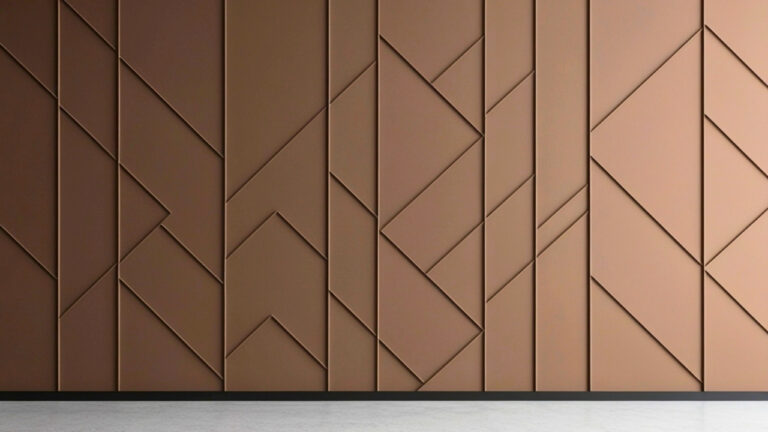
Wall panelling in 2026 is being used as a design tool rather than simple decoration. Designers are introducing textured wall panels to add depth and structure while keeping interiors visually calm. Premium finishes are preferred because they create a sense of quality and permanence, making walls feel intentional rather than ornamental.

Growing Demand for Textured Wall Surfaces

Interior spaces in 2026 are moving away from flat, featureless walls. Textured wall panelling offers a subtle way to add character without crowding the design. These panels enhance the look of a room while supporting modern design preferences for balance and simplicity. Interest in wall panelling continues to rise due to its visual impact and long-term durability.

Linear and Ribbed Panel Designs

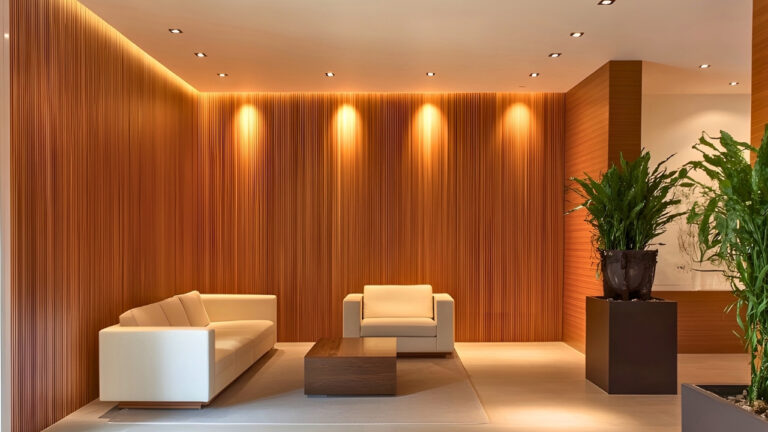
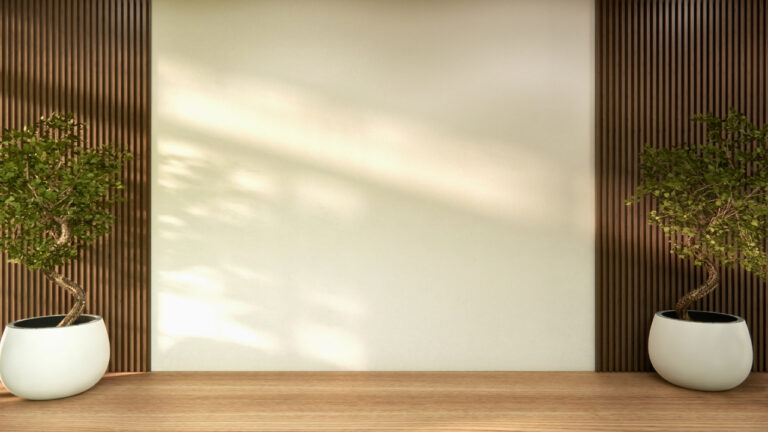
Linear wall panels, including ribbed and grooved styles, are widely used in 2026 interiors. These designs introduce rhythm and proportion, helping walls appear taller and more defined. They are often applied to living room backdrops, television units, and bedroom feature walls where a clean, structured look is desired.

Natural-Finish Wall Panels

Wall panels with natural-looking finishes are becoming a preferred choice for homeowners seeking warmth. Wood-inspired textures and muted tones create an inviting atmosphere while remaining versatile. These panels suit a variety of spaces and work well with contemporary, warm, and minimalist interior styles.

Mineral and Cement-Look Panels

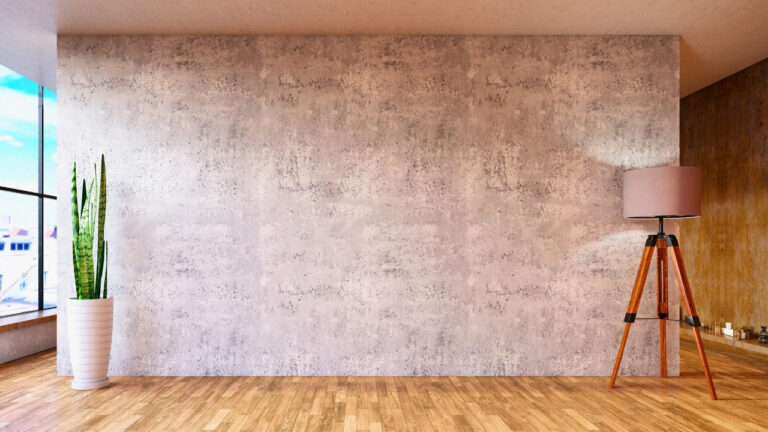
Mineral-based and cement-effect wall panels are increasingly popular in modern interiors. They provide a refined, urban look without the maintenance challenges of raw materials. In 2026, these panels are often used for accent walls, entry areas, and professional spaces that require a strong yet understated design presence.

Soft-Surface Wall Panels

Soft-surface wall panelling is gaining attention for its functional benefits. Fabric and padded panels improve acoustics and add comfort, especially in private spaces. In 2026 interiors, these panels are frequently used in bedrooms and entertainment rooms to create quieter, more relaxing environments.

FINISHES THAT DEFINE PREMIUM WALL PANELLING 

The focus in 2026 is on finishes that feel subtle and well-crafted. Matte textures, satin surfaces, and finely detailed veneers are replacing glossy treatments. These finishes support the growing preference for refined interiors where material quality speaks louder than decoration.

STRATEGIC USE OF WALL PANELLING 

Rather than covering entire rooms, wall panelling in 2026 is applied selectively. Feature walls, headboard areas, and focal zones are common placements. This approach maintains visual balance while allowing textured panels to stand out naturally within the space.

Conclusion

Wall panelling trends in 2026 highlight thoughtful design, texture, and premium finishing. Textured wall panels are being chosen for their ability to enhance interiors in a subtle and lasting way. By focusing on quality materials and restrained design, this trend continues to shape modern spaces with elegance and clarity.

Filed under: Interior Design TrendsTagged with: , , , , , ,