

Commercial interiors in 2026 are shaped by how businesses operate and communicate. Design is no longer focused only on appearance. Spaces are planned to reflect brand identity while supporting daily use. The leading commercial interior trends highlight clarity, efficiency, and purpose across offices, retail spaces, and hospitality environments.
Brand Expression Through Interior Design
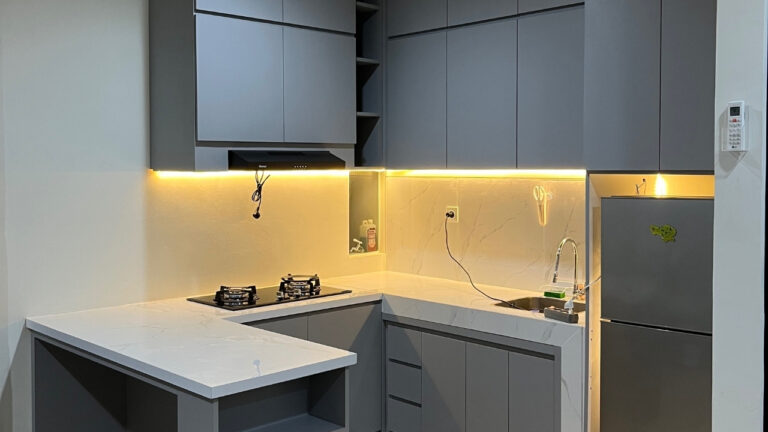
In 2026, commercial interiors play a key role in expressing brand values. Design elements such as colour, material choice, and spatial layout are selected to support a consistent brand image. Well-defined interiors help businesses create recognition and build trust through visual continuity across all areas.
Layouts Designed for Daily Function
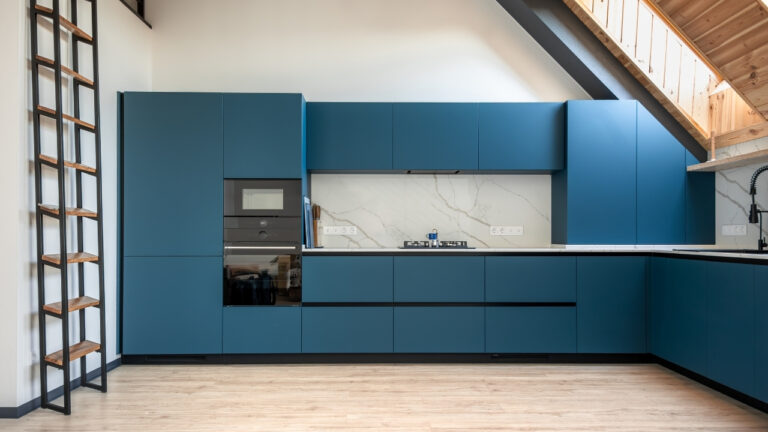
Functional planning is central to commercial interior design in 2026. Spaces are organised to improve movement, workflow, and usability. Clear zoning, logical circulation, and practical furniture placement allow teams and visitors to interact comfortably within the space.
Adaptable Spaces for Changing Needs

Flexibility is a major requirement for modern commercial interiors. In 2026, spaces are designed to adjust easily as business needs evolve. Modular furniture, movable dividers, and open layouts allow interiors to change function without major alterations.
Materials Selected for Performance and Longevity
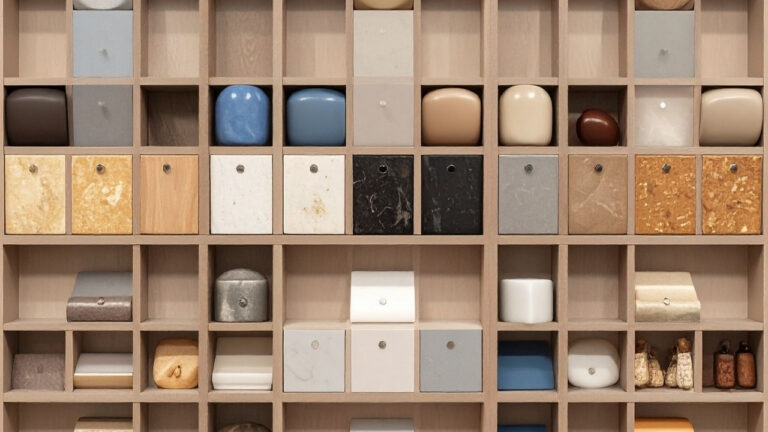
Material selection in commercial interiors prioritises durability. Designers choose finishes that withstand frequent use while maintaining a professional appearance. Textured surfaces, matte finishes, and engineered materials offer long-term performance with minimal maintenance.
Integrated Technology for Efficient Use
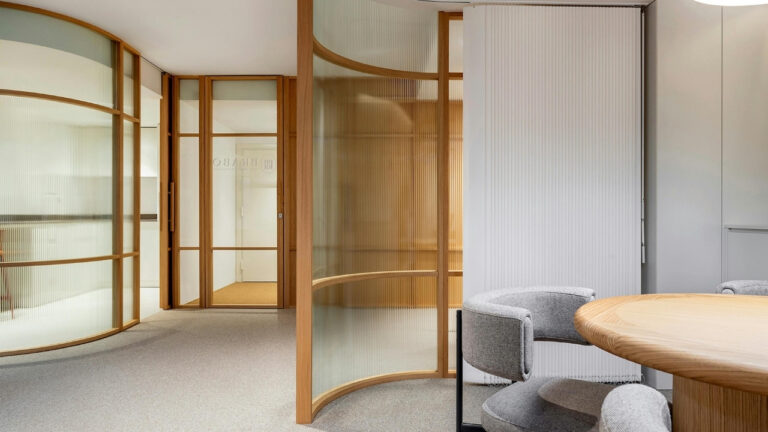
Technology plays a supportive role in commercial interiors in 2026. Lighting systems, digital signage, and climate controls are integrated into the design rather than added later. These features improve operational efficiency and create a more comfortable user experience.
Focus on Comfort and Usability
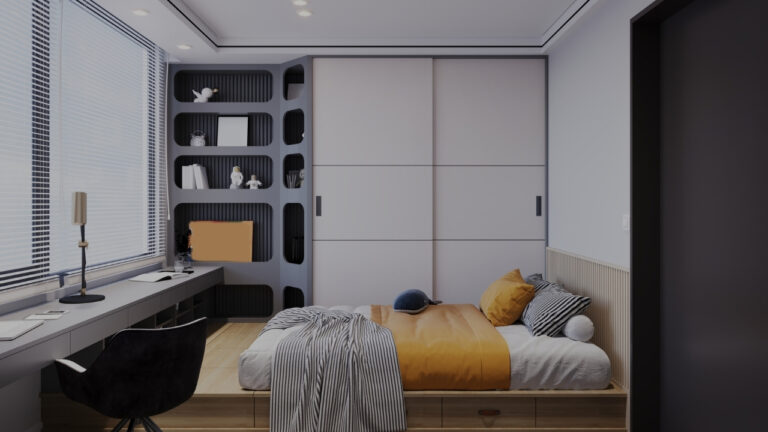
Comfort has become an important design consideration in commercial spaces. Ergonomic seating, controlled lighting, and acoustic planning help create healthier environments. In 2026, interiors are designed to support both employee focus and customer comfort.
Responsible and Sustainable Design Choices
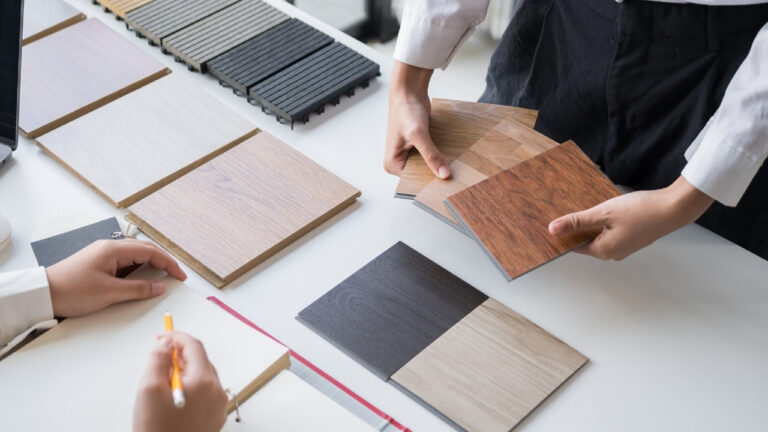
Sustainability continues to influence commercial interior design decisions. Businesses are selecting materials and systems that reduce environmental impact and support long-term use. Responsible design choices also strengthen brand credibility and corporate values.
Why These Commercial Interior Trends Matter in 2026
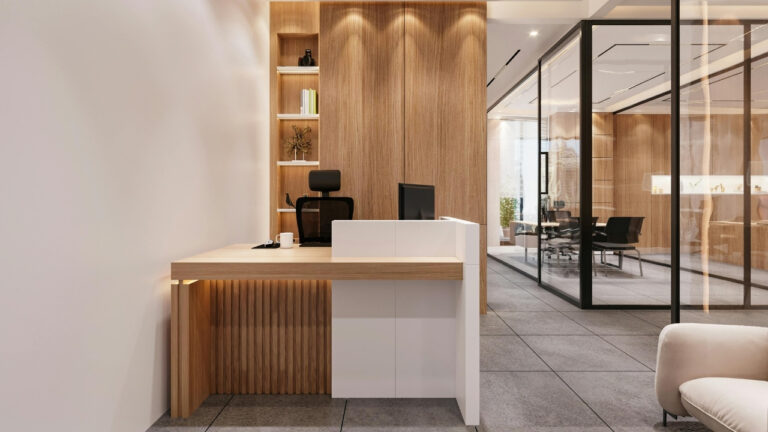
Commercial interiors in 2026 reflect how businesses function and engage with people. Brand-driven and functional spaces help organisations operate efficiently while presenting a clear identity. Interest in practical and brand-aligned commercial design continues to grow as businesses adapt to changing expectations.
Conclusion
Commercial interior trends in 2026 focus on purpose, flexibility, and brand alignment. By combining functional planning with clear visual identity, commercial spaces become more effective and enduring. This approach ensures interiors remain relevant, practical, and supportive of business goals.