Smart Layouts and Multifunctional Space Planning

Smart Layouts and Multifunctional Space Planning

Homes today need to support different activities within the same area. Many people use one room for work, relaxation, dining, and storage. Because of this, smart layouts and multifunctional planning have become important in modern interior design.

Good space planning improves comfort, saves space, and keeps the home organized.

What Is Multifunctional Space Planning?

Multifunctional planning means creating spaces that can be used in more than one way. Instead of giving each room a single purpose, the design allows flexibility based on daily needs.

Common examples include:

  • A sofa that converts into a bed
  • A dining table that works as a study desk
  • Storage built under beds or seating
  • Foldable furniture for compact homes

This type of design is useful for both small apartments and larger homes.

Benefits of Smart Layouts : 

Better Use of Space

Smart layouts help make full use of available areas.

Cleaner Interiors

Built-in storage reduces clutter and improves organization.

More Flexibility

Rooms can easily adapt for different activities.

Improved Comfort

Well-planned interiors support easier movement and daily convenience.

Important Design Ideas : 

Choose Practical Furniture

Furniture with multiple functions helps save space.

Examples include:

  • Sofa beds
  • Foldable tables
  • Storage benches
  • Modular seating

Use Vertical Storage

Wall shelves and tall cabinets increase storage without taking up extra floor space.

Create Different Zones

Even open rooms can feel organized when separate areas are defined using rugs, shelves, or lighting.

Room Planning Tips :

Living Room

Use compact seating, hidden storage, and flexible furniture.

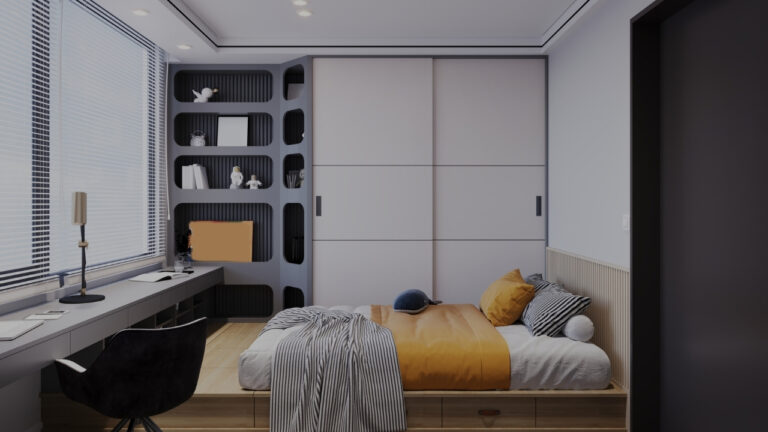
Bedroom

Add beds with storage drawers and wall-mounted shelves.

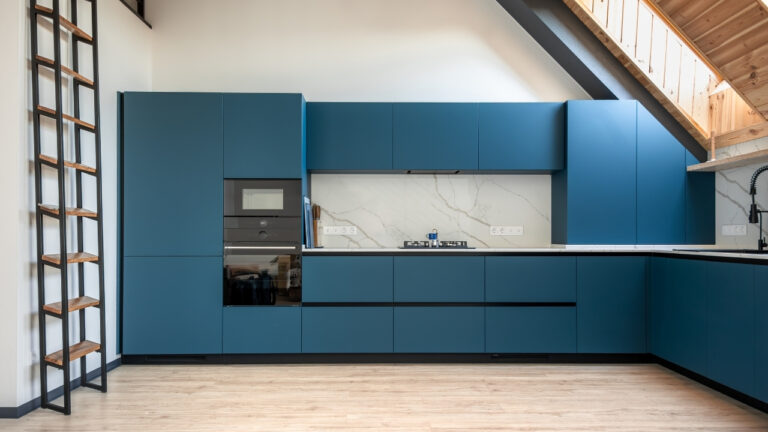
Kitchen

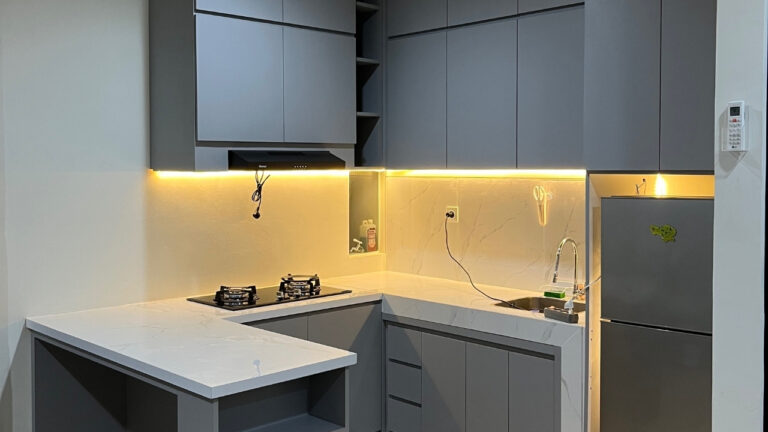
Use pull-out storage and multifunctional counters.

Home Office

Choose foldable desks and simple storage units for smaller spaces.

Mistakes to Avoid

  • Adding too much furniture
  • Ignoring storage needs
  • Blocking natural movement
  • Choosing style over comfort

Balanced planning is important for functional interiors.

Conclusion

Smart layouts and multifunctional spaces make homes more practical and comfortable. Flexible furniture, organized storage, and efficient planning help create interiors that support modern lifestyles.

As homes continue to change, multifunctional design will remain an important part of interior planning.

FAQs

Why are smart layouts useful?

They improve organization, save space, and increase comfort.

What furniture works best in multifunctional homes?

Convertible furniture like sofa beds, storage seating, and foldable tables works well.

How can small homes feel bigger?

Using light colors, mirrors, natural light, and smart storage can make compact spaces appear larger.

Filed under: Interior DesignTagged with: , , , , , , , ,

Commercial Interior Trends 2026: Brand-Led Design with Practical Function

Commercial interiors in 2026 are shaped by how businesses operate and communicate. Design is no longer focused only on appearance. Spaces are planned to reflect brand identity while supporting daily use. The leading commercial interior trends highlight clarity, efficiency, and purpose across offices, retail spaces, and hospitality environments.

Brand Expression Through Interior Design

In 2026, commercial interiors play a key role in expressing brand values. Design elements such as colour, material choice, and spatial layout are selected to support a consistent brand image. Well-defined interiors help businesses create recognition and build trust through visual continuity across all areas.

Layouts Designed for Daily Function

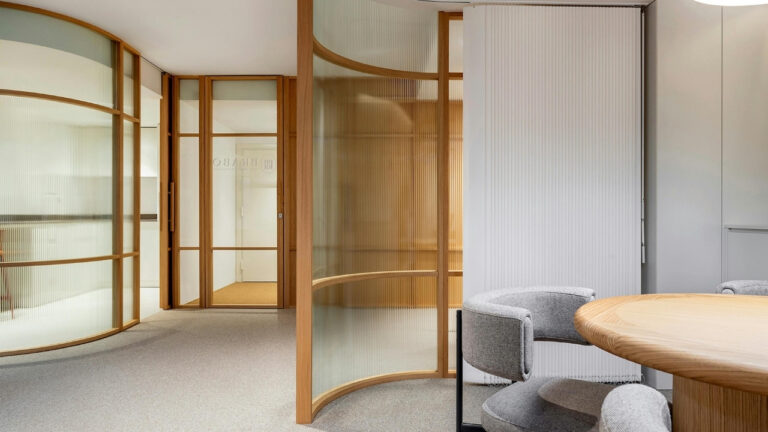
Functional planning is central to commercial interior design in 2026. Spaces are organised to improve movement, workflow, and usability. Clear zoning, logical circulation, and practical furniture placement allow teams and visitors to interact comfortably within the space.

Adaptable Spaces for Changing Needs

Flexibility is a major requirement for modern commercial interiors. In 2026, spaces are designed to adjust easily as business needs evolve. Modular furniture, movable dividers, and open layouts allow interiors to change function without major alterations.

Materials Selected for Performance and Longevity

Material selection in commercial interiors prioritises durability. Designers choose finishes that withstand frequent use while maintaining a professional appearance. Textured surfaces, matte finishes, and engineered materials offer long-term performance with minimal maintenance.

Integrated Technology for Efficient Use

Technology plays a supportive role in commercial interiors in 2026. Lighting systems, digital signage, and climate controls are integrated into the design rather than added later. These features improve operational efficiency and create a more comfortable user experience.

Focus on Comfort and Usability

Comfort has become an important design consideration in commercial spaces. Ergonomic seating, controlled lighting, and acoustic planning help create healthier environments. In 2026, interiors are designed to support both employee focus and customer comfort.

Responsible and Sustainable Design Choices

Sustainability continues to influence commercial interior design decisions. Businesses are selecting materials and systems that reduce environmental impact and support long-term use. Responsible design choices also strengthen brand credibility and corporate values.

Why These Commercial Interior Trends Matter in 2026

Commercial interiors in 2026 reflect how businesses function and engage with people. Brand-driven and functional spaces help organisations operate efficiently while presenting a clear identity. Interest in practical and brand-aligned commercial design continues to grow as businesses adapt to changing expectations.

Conclusion

Commercial interior trends in 2026 focus on purpose, flexibility, and brand alignment. By combining functional planning with clear visual identity, commercial spaces become more effective and enduring. This approach ensures interiors remain relevant, practical, and supportive of business goals.

Filed under: Interior Design TrendsTagged with: , , , , , , , , , , , , , , ,